

How Elizabeth I’s coronation in 1559 shaped the monarchy
This week in History: On 15 January 1559, Elizabeth I was crowned Queen of England at Westminster Abbey
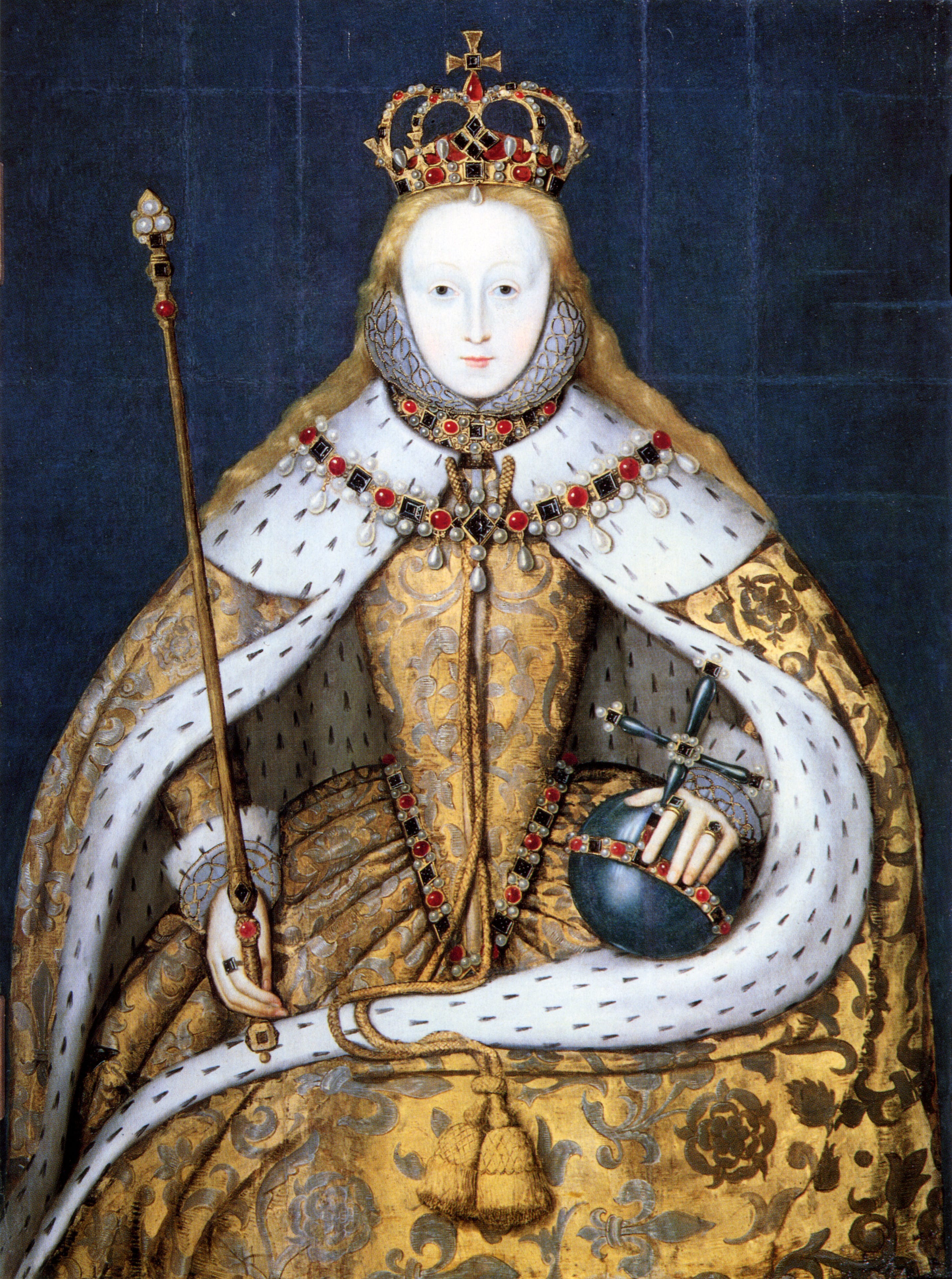
On 15 January 1559, Elizabeth I was crowned Queen of England at Westminster Abbey, an event that marked not merely the accession of a new monarch but the beginning of one of the most consequential reigns in British history. The coronation took place at a moment of profound uncertainty. England had endured decades of religious upheaval, dynastic anxiety and political instability under the later Tudors, and Elizabeth inherited a kingdom deeply divided in faith and fragile in its international standing.
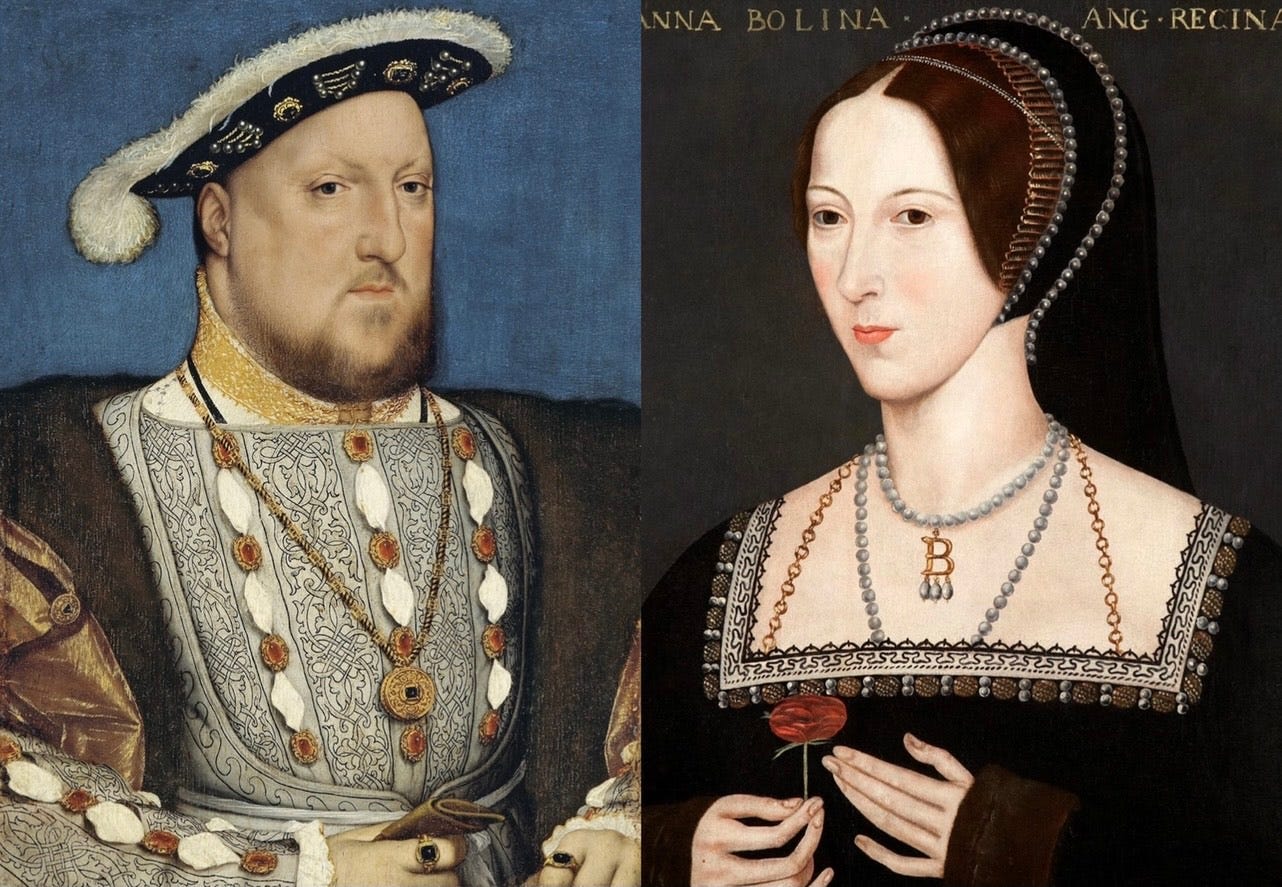
Elizabeth’s coronation was carefully stage-managed to project continuity, legitimacy and reassurance. As the daughter of Henry VIII and Anne Boleyn, her claim had once been questioned, yet by 1559 her position was secure enough for her to present herself as the embodiment of lawful succession. The ceremony blended traditional Catholic ritual with carefully chosen elements acceptable to reformers, foreshadowing the religious settlement that would define her reign. This instinct for balance became one of Elizabeth’s defining traits as monarch.
Her influence on the British monarchy rests in large part on her success in restoring authority and stability after the turbulence of her siblings’ reigns. Elizabeth understood the power of monarchy as both institution and performance. She cultivated an image of majesty, learning to rule through a close partnership with Parliament and a shrewd use of patronage rather than absolutism. This approach strengthened the crown while avoiding the extremes that had led to unrest under earlier rulers.
Elizabeth’s religious policy proved particularly significant. The Elizabethan Settlement reestablished the Church of England while avoiding the harsher persecutions of previous reigns. By insisting on outward conformity rather than probing private belief, Elizabeth created a workable compromise that endured beyond her lifetime. This settlement laid the foundations for a distinctly English Protestant identity, closely bound to the authority of the crown, and remains one of the most lasting legacies of her rule.
Her reign also reshaped England’s place in the world. Under Elizabeth, England emerged as a growing maritime power, encouraged exploration and trade, and began to challenge Spanish dominance at sea. The defeat of the Spanish Armada in 1588 boosted national confidence, reinforcing the association between the monarch and the defence of the realm. This connection between crown, country and Protestant identity became deeply embedded in British political culture.
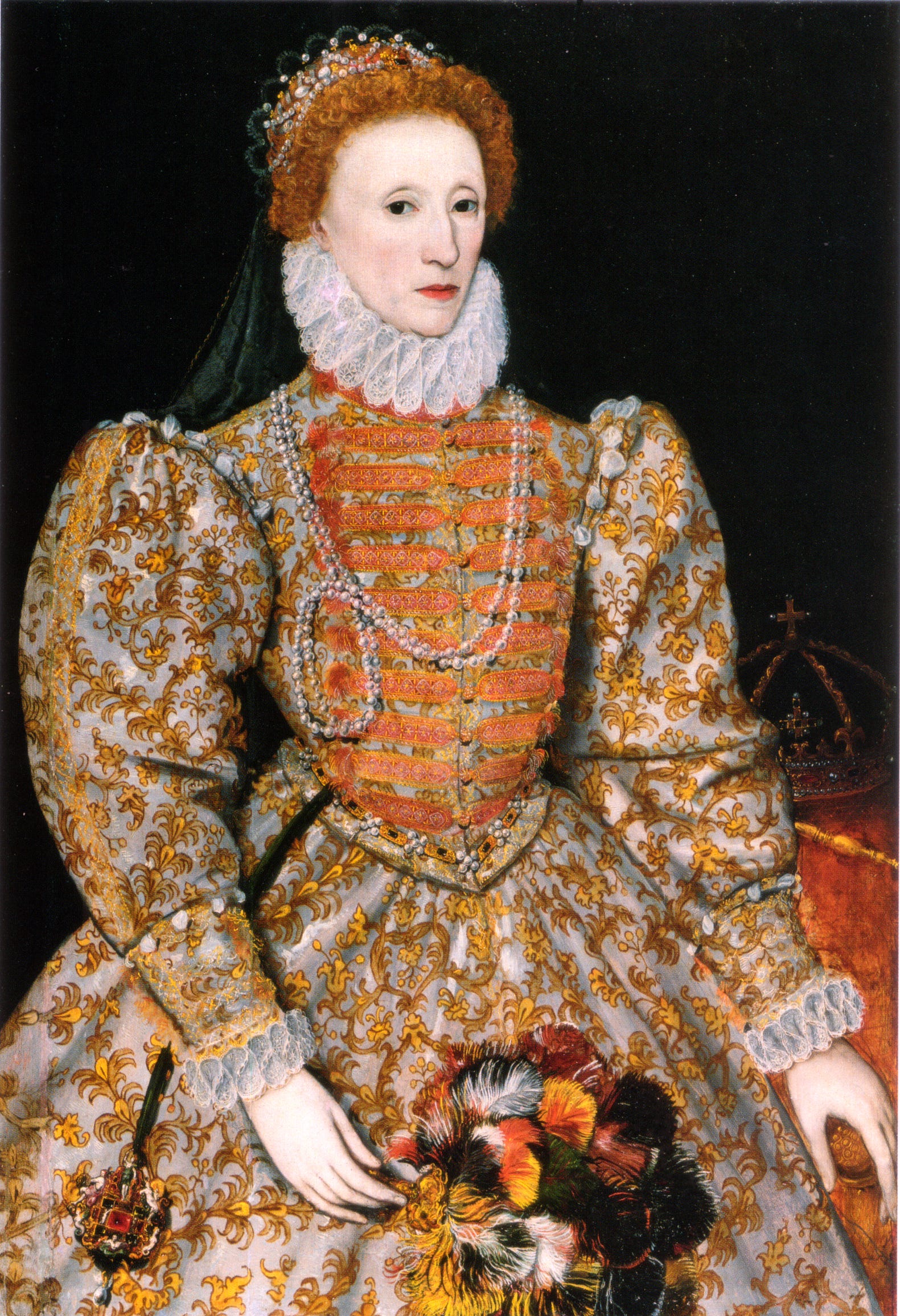
Elizabeth’s choice never to marry also had lasting consequences for the monarchy. While it created uncertainty about the succession, it allowed her to rule without sharing power and to use marriage negotiations as diplomatic tools. The image of the Virgin Queen, wedded to her kingdom, became a powerful symbol that elevated the monarch's role beyond personal dynastic interests. This helped shape later expectations of the sovereign as a figure who embodies national unity rather than merely family lineage.
By the time of her death in 1603, Elizabeth had transformed the English crown. She left behind a stronger, more stable monarchy, a clearer sense of national identity, and a model of kingship that balanced authority with political skill. Her coronation in 1559 stands as the opening moment of this achievement, a ceremonial beginning to a reign that would secure Elizabeth I’s place as one of Britain’s most influential sovereigns.
We hope you have enjoyed this History Briefing - please CLICK HERE to read more.

Have you discovered The Official Reading Companion and History Briefings for The Chronicles of St Mary’s series by Jodi Taylor?
If you've ever found yourself wondering who did what, when, and where in Jodi Taylor’s brilliant Chronicles of St Mary’s series — this is the companion guide you’ve been waiting for.
This guide is a must-have for both dedicated fans and curious newcomers. It contains synopses of every book and short story, detailed floor plans of St Mary’s Institute for Historical Research, History Briefings, chronological jump lists, character information, and more.
Whether you’re brushing up on the timeline or want to immerse yourself further in the chaos and charm of St Mary’s, this guide is your ultimate companion.
CLICK HERE to learn more.